
KONTAN: Moody's Downgrades Outlook for Indonesia's Largest Banks Amid National Concerns
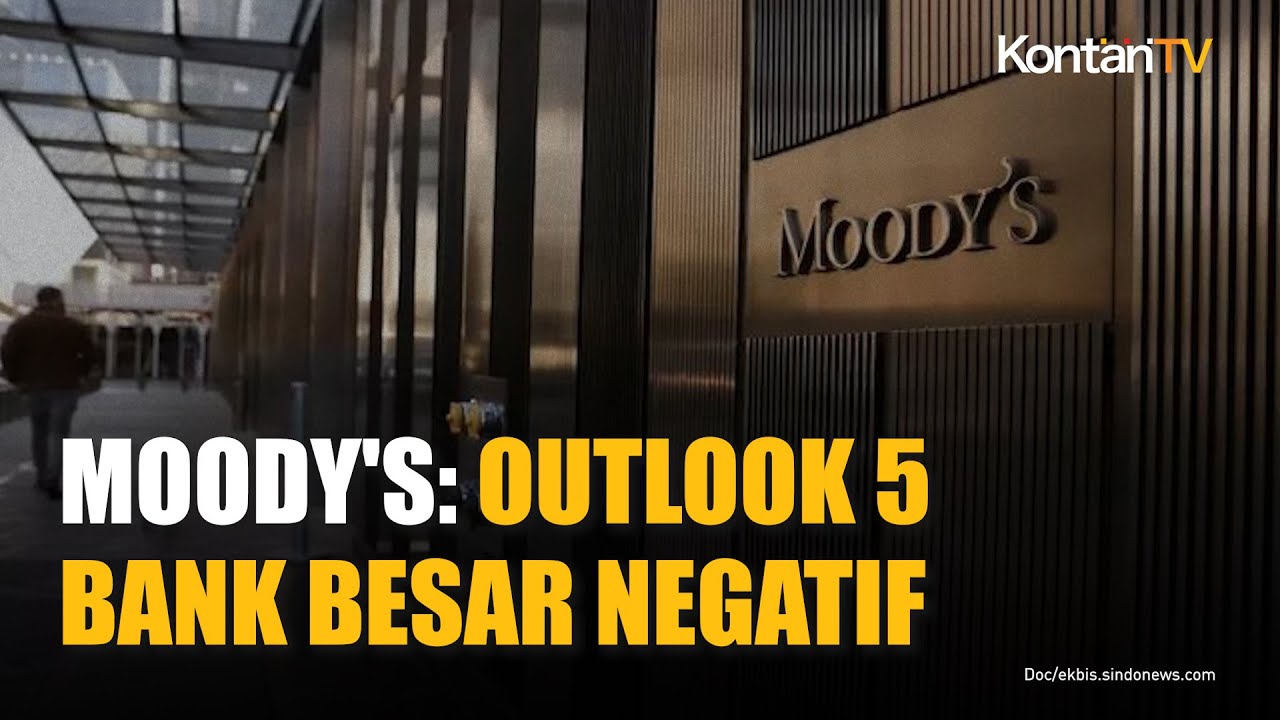
Moody's Downgrade Explained
Moody's Investors Service, a prominent global credit rating agency, has revised the outlook for five of Indonesia's largest banks—Bank Mandiri, Bank Rakyat Indonesia (BRI), Bank Negara Indonesia (BNI), Bank Central Asia (BCA), and Bank Tabungan Negara (BTN)—from stable to negative. This decision comes on the heels of a similar downgrade of Indonesia's national outlook, which Moody's attributed to rising concerns regarding the consistency of government policies and the effectiveness of communication from authorities.
The downgrade of these banks is significant, given their central role in Indonesia's financial ecosystem. Collectively, they represent a substantial portion of the country's banking sector, which has been a key driver of economic growth. However, Moody's has reassured investors that despite the negative outlook, these banks remain financially robust, maintaining their credit ratings at Baa2, which denotes an investment-grade level.
Implications for Indonesia's Banking Sector
The negative outlook for these banks could have far-reaching implications for Indonesia's banking sector and the broader economy. A downgrade in outlook often signals potential challenges in securing funding or attracting foreign investment, which can hinder growth. According to Moody's, while the banks are currently well-positioned to meet their financial obligations, any future upgrades in their ratings will hinge on improvements in the national economic outlook.
This situation reflects a broader trend in emerging markets where economic stability is closely tied to government policy. As reported by various financial analysts, the perception of political and economic stability is crucial for maintaining investor confidence. If the government can address the concerns raised by Moody's, it may help restore a more favorable outlook for both the banks and the national economy.
Global Context and Historical Significance
Indonesia, Southeast Asia's largest economy, has been navigating a complex economic landscape, particularly in the wake of the COVID-19 pandemic, which significantly impacted global markets. Historical data shows that Indonesia's banking sector has demonstrated resilience in the past, but external pressures, such as fluctuating commodity prices and geopolitical tensions, can pose challenges.
The recent downgrade is a reminder of the interconnectedness of global finance, where the health of a country's banking sector can influence international perceptions and investment flows. Additionally, it underscores the importance of sound economic policies and effective governance in fostering a stable financial environment. As Indonesia continues to recover and grow, the actions taken by its government in response to this downgrade will be closely watched by both domestic and international stakeholders.
Sources: Moody’s Ubah Outlook Lima Bank Besar Indonesia Jadi Negatif; KontanTV; Moody's Investors Service; Reuters; Bloomberg