
Warta Kota Production: Indonesia's Most Controversial Documentary: 'Pesta Babi' Sparks Outrage
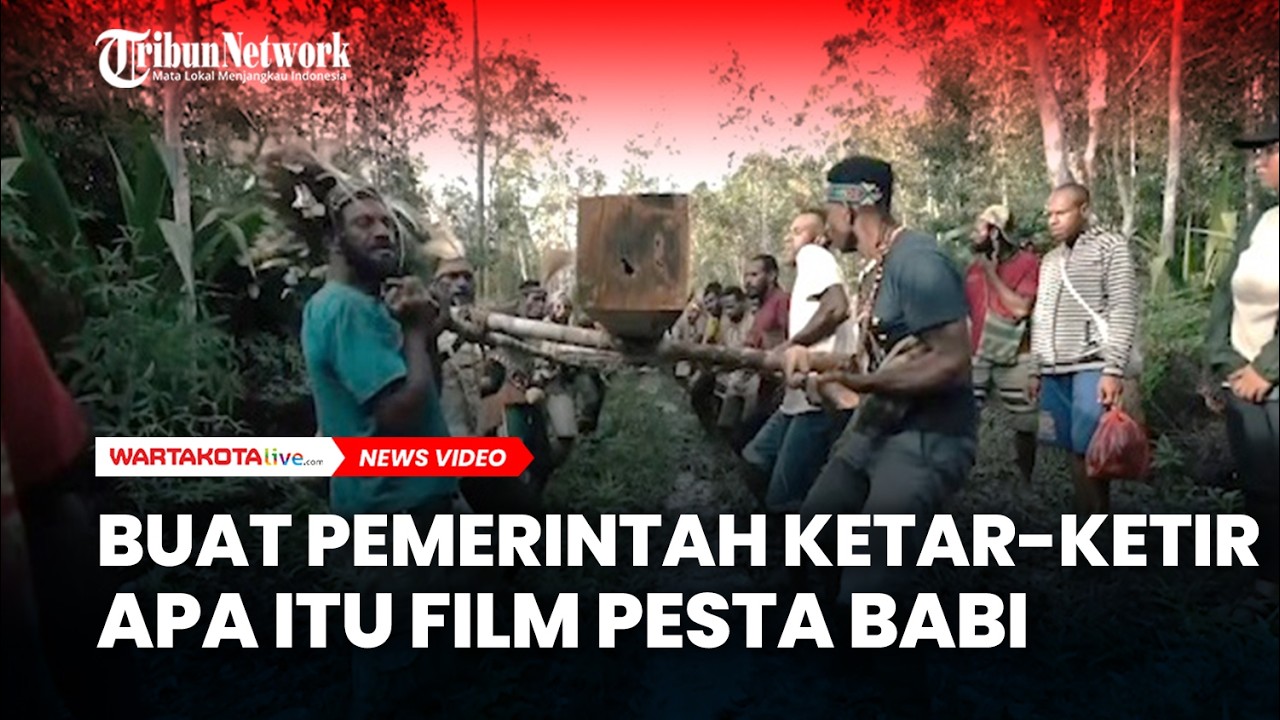
Overview of 'Pesta Babi'
'Pesta Babi,' which translates to 'Pig Festival,' is a documentary directed by Dandhy Laksono that delves into the contentious issues surrounding food estate and bioethanol projects in Papua, Indonesia. The film highlights the struggles of indigenous communities who assert that their ancestral lands and forests are being systematically encroached upon by these large-scale development initiatives. This documentary aims to shed light on the intersection of environmental degradation and the rights of indigenous peoples, making it a significant cultural artifact in Indonesia's ongoing discourse about land rights and environmental justice.
Government Response and Censorship
The controversy surrounding 'Pesta Babi' escalated when recent screenings at universities in Ternate and Mataram were reportedly shut down by local officials. This action has drawn sharp criticism from human rights organizations and advocates for free speech, who argue that such censorship stifles important conversations about environmental and indigenous issues. According to reports from various human rights groups, the suppression of the film's screenings reflects a broader trend of governmental control over media narratives in Indonesia, particularly those that challenge powerful economic interests.
The Indonesian government has faced scrutiny for its approach to freedom of expression, with critics arguing that it often prioritizes economic development over the rights of marginalized communities. The shutdown of 'Pesta Babi' screenings is seen as a direct attempt to silence dissent and prevent the public from engaging with critical issues affecting indigenous populations.
Reactions from Indigenous Communities and Activists
Indigenous communities featured in 'Pesta Babi' have expressed their support for the film, viewing it as a vital platform to voice their grievances regarding land dispossession and environmental destruction. Activists argue that the documentary serves as a crucial tool for raising awareness about the plight of these communities and the urgent need for legal protections for their ancestral lands. Supporters of the film emphasize that it not only highlights the negative impacts of development projects but also calls for a reevaluation of policies that prioritize profit over people.
Conversely, critics of the documentary argue that its portrayal of development projects is overly negative and politically charged. They contend that the film may undermine Indonesia's economic growth and efforts to modernize agriculture, claiming that it presents a one-sided narrative that does not account for the potential benefits of such projects. This division reflects a broader societal debate in Indonesia about the balance between economic development and environmental sustainability.
Sources: Buat Pemerintah Ketar-ketir, Apa Itu Film Pesta Babi yang Dibubarkan Sana-sini?; Warta Kota Productions; The Jakarta Post; Al Jazeera