
KONTAN: Indonesia To Launch 34 Waste To Energy Projects Nationwide
Addressing a National Crisis
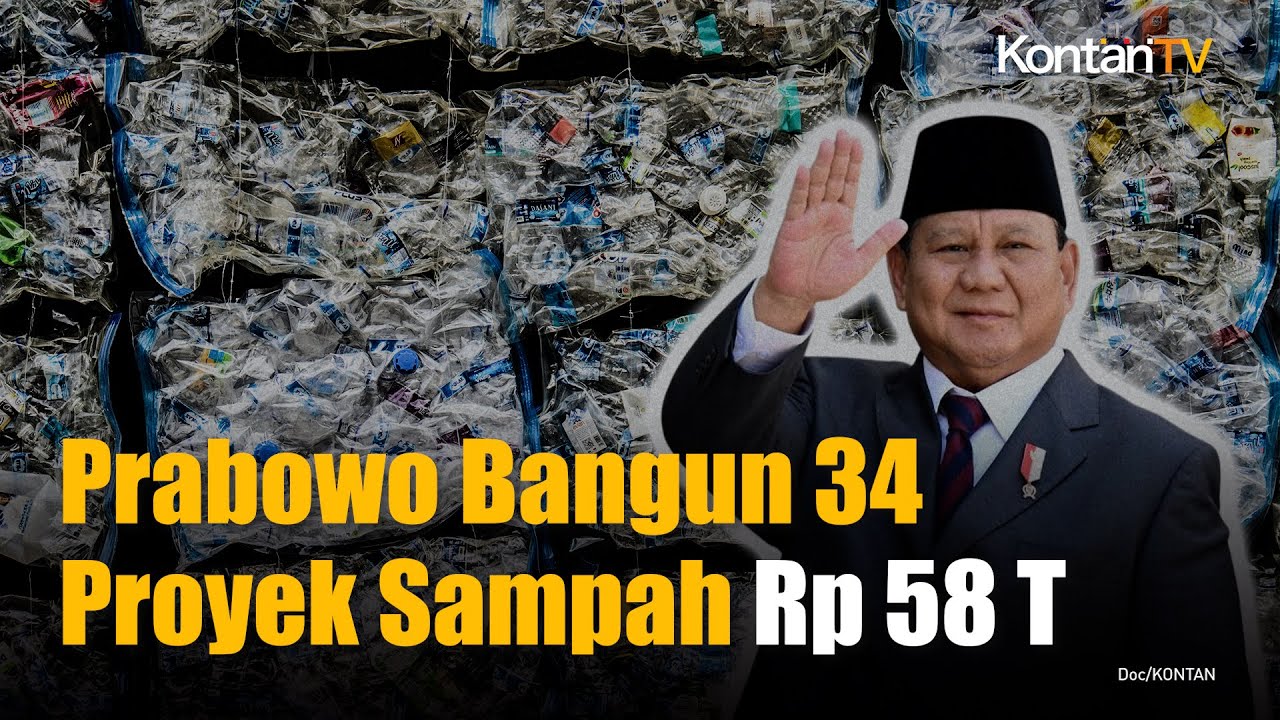
Indonesia faces a critical waste management challenge, with projections indicating that landfills in the country could reach full capacity by 2028. The government has recognized that urgent action is necessary to avert an environmental disaster, as the accumulation of waste poses significant risks to public health and the ecosystem. President Prabowo's announcement of 34 waste-to-energy projects represents a proactive approach to this escalating crisis.
The projects, which will be implemented in 34 cities across Indonesia, are part of a broader strategy to convert municipal solid waste into renewable energy. This initiative not only aims to reduce the volume of waste sent to landfills but also seeks to harness the potential of waste as a resource. By transforming waste into energy, the government hopes to contribute to the country's energy mix while promoting sustainable practices.
Investment and Implementation Timeline
The total investment for these waste-to-energy projects is estimated at nearly 3.5 billion US dollars, or approximately 58.8 trillion rupiah. This substantial financial commitment underscores the government's dedication to addressing the waste management issue while simultaneously investing in renewable energy infrastructure. The groundbreaking for these projects is slated to begin in the coming months, with operations expected to commence within two years.
The successful implementation of these projects will require collaboration between central and local governments. President Prabowo emphasized the importance of this cooperation, stating that while the central government is committed to moving forward, it will not hesitate to take decisive action if local governments delay progress. This approach reflects a growing recognition of the need for coordinated efforts in tackling complex environmental challenges.
Global Context and Future Implications
Indonesia's initiative aligns with a global trend towards sustainable waste management and renewable energy. Countries around the world are increasingly recognizing the dual benefits of waste-to-energy technologies, which can help mitigate waste disposal issues while providing a cleaner energy source. For instance, nations like Sweden and Germany have successfully implemented similar projects, significantly reducing landfill waste and generating electricity.
As Indonesia embarks on this ambitious journey, the implications extend beyond waste management. The projects could create thousands of jobs in construction, operation, and maintenance, contributing to economic growth. Moreover, by reducing reliance on fossil fuels, Indonesia could enhance its energy security and make strides towards meeting its climate commitments. However, the success of these initiatives will depend on effective governance, public engagement, and ongoing investment in technology.
Sources: Indonesia Darurat Sampah, Prabowo Bangun 34 Proyek Waste to Energi Senilai Rp 58 T; https://www.youtube.com/watch?v=Fc4asxIX77g