
METRO: Indonesia Achieves Rice Self-Sufficiency by 2025
A Milestone in National Sovereignty
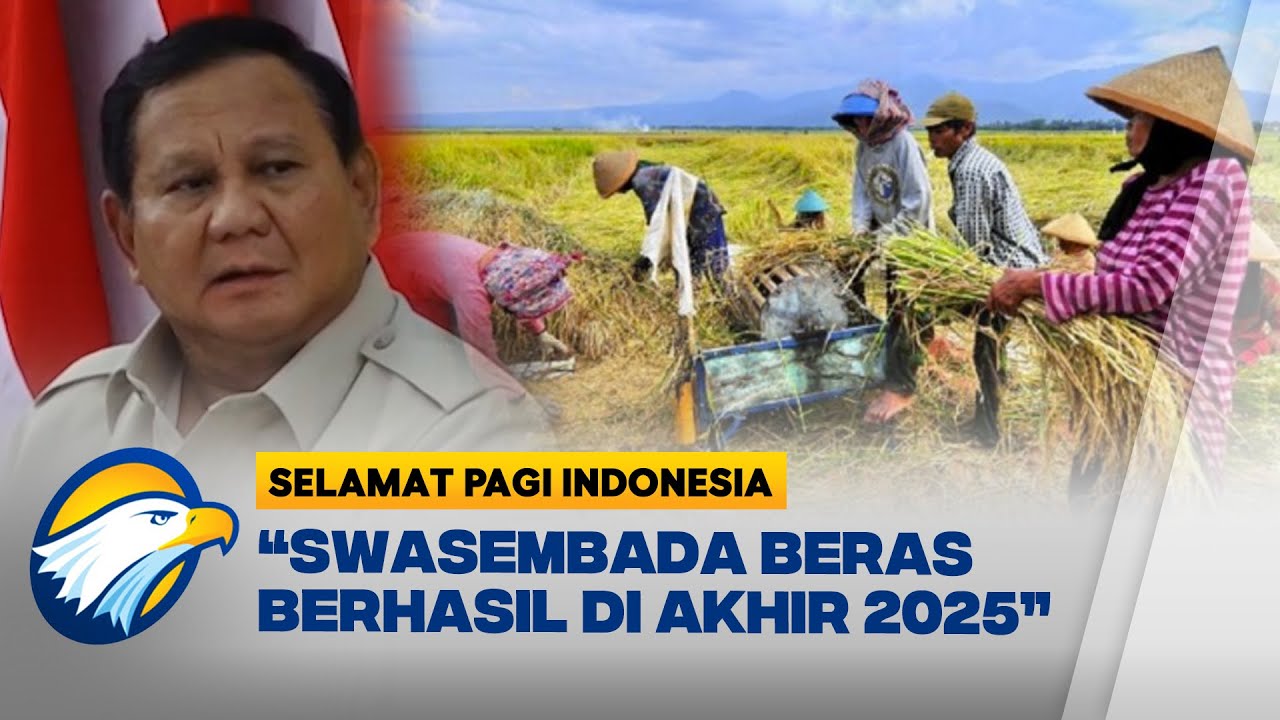
President Prabowo Subianto declared that Indonesia has achieved rice self-sufficiency, a goal set for 2025, marking a pivotal moment for the nation. This announcement signifies that the domestic production of rice now sufficiently meets the national demand, which is a critical aspect of Indonesia's agricultural policy and economic strategy.
The government has emphasized that this achievement is not merely about food availability but also about national sovereignty. By producing enough rice domestically, Indonesia aims to reduce its dependence on imports, which can be vulnerable to global market fluctuations and geopolitical tensions.
Government Initiatives and Agricultural Coordination
The success in achieving rice self-sufficiency has been attributed to coordinated efforts across various sectors of the government and the agricultural industry. This includes investments in agricultural technology, improved irrigation systems, and support for local farmers, which have collectively increased rice yields.
According to the Ministry of Agriculture, these initiatives have led to a robust national rice reserve, ensuring food security for the Indonesian population. The government plans to continue supporting farmers through subsidies and training programs aimed at sustaining this level of production.
Challenges Ahead: Sustaining Production and Climate Concerns
Despite the current success in rice production, analysts caution that Indonesia's agricultural sector still faces significant challenges. While rice supplies are strong at present, the country continues to rely on imports for other essential food staples, such as soybeans and corn. This dependence highlights the need for a more diversified agricultural strategy.
Moreover, maintaining rice self-sufficiency will depend heavily on long-term production stability, which is vulnerable to climate change and extreme weather events. Experts warn that fluctuations in rainfall patterns and rising temperatures could impact future harvests, necessitating ongoing investment in climate-resilient agricultural practices.
Sources: Prabowo: Indonesia Berhasil Swasembada Beras Akhir 2025 [Selamat Pagi Indonesia]; Metro TV