
Harian Kompas: First Giant Panda Born in Indonesia Makes Historic Steps
A Historic Birth
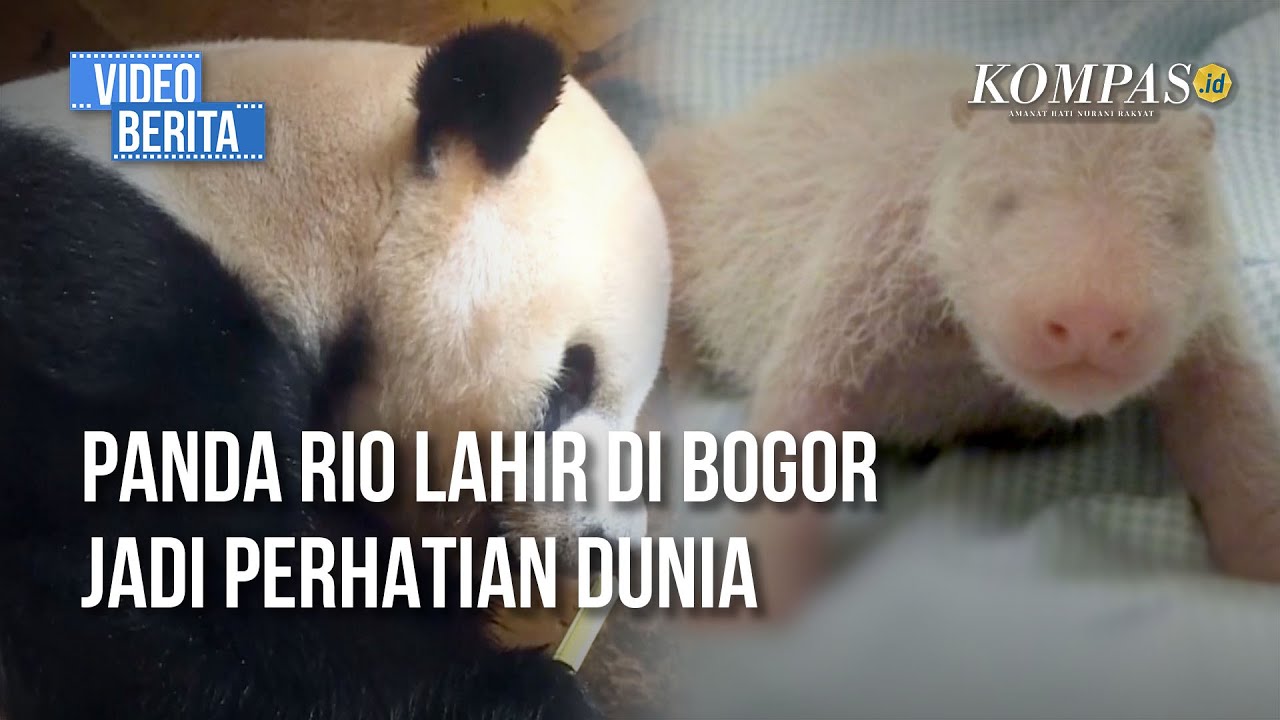
On November 27, 2025, Indonesia made a remarkable contribution to global wildlife conservation with the birth of a giant panda cub named Rio at the Indonesia Safari Park in Bogor. This event is particularly significant as it marks the only giant panda birth outside of China in 2025, and one of only two births globally during that year. With fewer than 2,000 giant pandas remaining in the wild, the birth of Rio represents a hopeful step forward for the species, which has been classified as vulnerable due to habitat loss and low birth rates.
The official introduction of Rio to the public occurred on January 6, 2026, when the cub was 40 days old. The event was attended by notable figures, including Indonesian officials and the Chinese ambassador, highlighting the importance of international collaboration in wildlife conservation efforts. The birth of Rio not only symbolizes a triumph for Indonesia but also strengthens the ties between Indonesia and China, particularly in the realm of conservation.
Conservation Efforts and Technology
The successful birth of Rio was made possible through advanced assisted reproductive technology, a field that has seen significant advancements in recent years. This technology was implemented under the supervision of both Indonesian and Chinese experts, showcasing a collaborative effort that is crucial for the conservation of giant pandas. The use of such technologies is vital, especially considering that giant pandas have a notoriously low reproductive rate, with females only ovulating once a year.
Indonesia's achievement places it among a select group of countries that have been entrusted with the care and breeding of giant pandas, a status that comes with strict international agreements. Currently, only around 50 giant pandas live outside of China, primarily in zoos and conservation centers. The successful breeding of Rio not only enriches the genetic diversity of the species but also serves as an educational opportunity for the public, raising awareness about the challenges faced by giant pandas in their natural habitats.
Global Significance and Future Implications
The birth of Rio is not just a local triumph; it has global implications for conservation strategies aimed at protecting endangered species. As reported by Harian Kompas, this event underscores the importance of international cooperation in wildlife conservation. Countries like Indonesia, which are willing to invest in conservation technologies and practices, can play a pivotal role in the survival of species that are threatened by extinction.
Moreover, the successful birth of a giant panda in Indonesia may inspire other nations to enhance their conservation efforts. It highlights the potential for countries with the right resources and commitment to contribute significantly to the preservation of biodiversity. As the world grapples with environmental challenges, the story of Rio serves as a beacon of hope, illustrating that collaborative efforts can lead to positive outcomes in the fight against extinction.
Sources: Rio, Jejak Diplomasi Panda di Kaki Pangrango; Harian Kompas; https://www.youtube.com/watch?v=JHNmwQknqvg