
TRIBUN BALI: Bali's Waste Crisis Escalates as New Landfill Regulations Take Effect
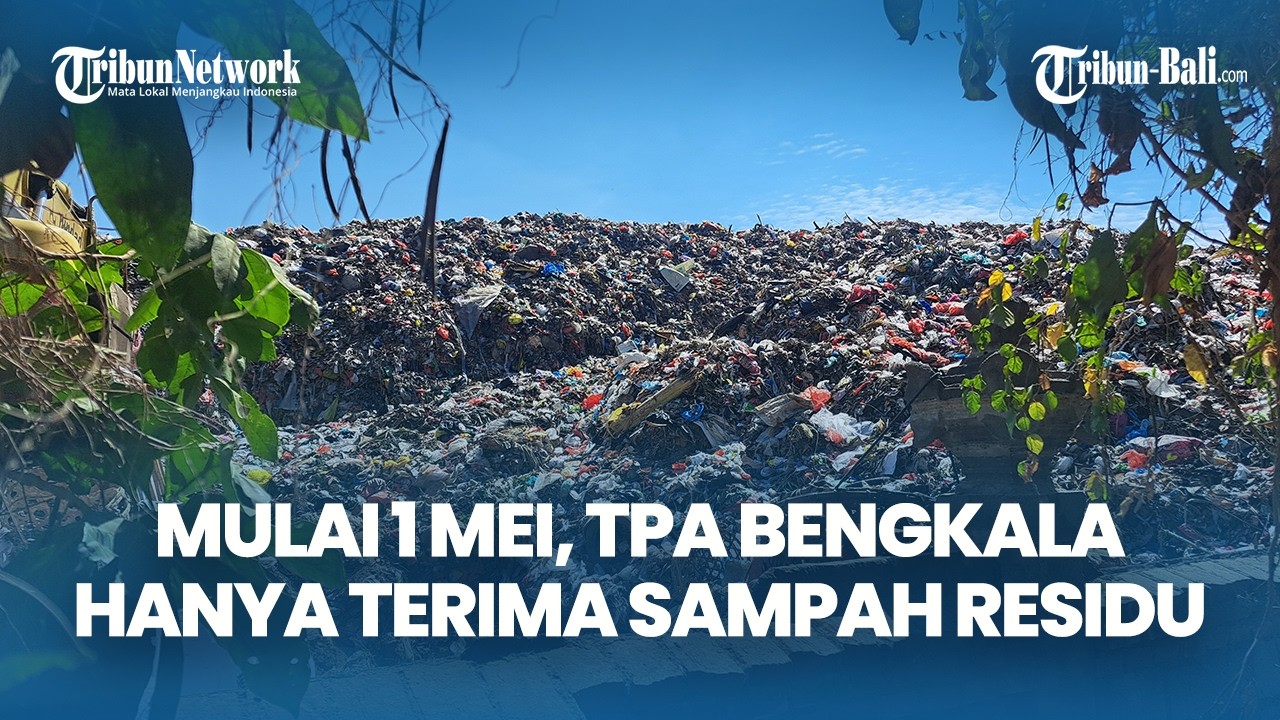
Bengkala Landfill's New Regulations
Bali's waste management crisis has reached a critical point as the Buleleng regency prepares to implement new waste management regulations. Effective May 1st, the Bengkala landfill, the fourth largest on the island, will cease accepting organic waste, a decision made in response to the site's unsustainable conditions. Local authorities have indicated that the landfill is already under significant strain, prompting a shift towards more sustainable waste management practices.
The new regulations will require residents to sort their waste at home, with separate collection days for organic and non-organic materials. This initiative aims to reduce the volume of waste sent to landfills and promote recycling and composting among the local population. Officials are racing against time, with a goal to eliminate open dumping practices by July.
The Broader Context of Bali's Waste Management Issues
Bali, a popular tourist destination, has long struggled with waste management, exacerbated by the island's rapid population growth and influx of tourists. The reliance on massive waste disposal sites, such as the notorious Suwung landfill, has led to environmental degradation and public health concerns. In recent years, the Balinese government has recognized the urgent need to address these challenges and has begun implementing a series of reforms aimed at decentralizing waste management.
According to local reports, the shift away from large landfills is part of a broader strategy to empower individual regions to manage their own waste. This approach not only aims to alleviate the burden on existing landfills but also encourages sustainable practices among residents. The transition is expected to be challenging, as many locals are accustomed to the convenience of open dumping.
Community Response and Future Implications
The community's response to the new waste sorting requirements has been mixed. While many residents understand the necessity of these changes, there are concerns regarding the implementation and effectiveness of the new system. Some locals worry about the lack of infrastructure and education needed to support proper waste sorting, which could hinder the success of the initiative.
Experts emphasize that for these regulations to succeed, the government must invest in public education campaigns and provide adequate resources for waste management. As Bali continues to grapple with its waste crisis, the outcome of these new regulations will be closely monitored, serving as a potential model for other regions facing similar challenges.
Sources: Mulai 1 Mei, TPA Bengkala Buleleng Hanya Terima Residu, Sampah Organik Dilarang Masuk; Tribun Bali