
Bisnis: Indonesia's Coal Production Cut Threatens Business and Employment
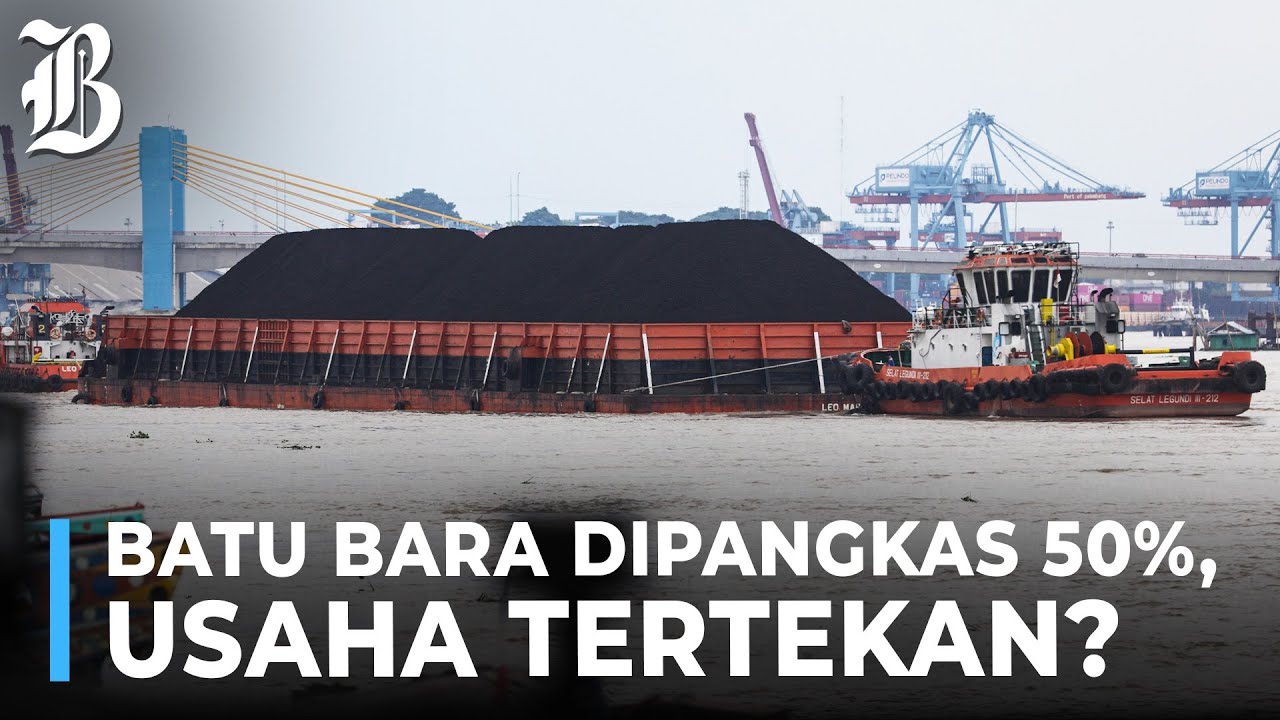
Government's Plan for Coal Production Cuts
The Indonesian government is set to implement substantial cuts in coal production as part of its Work Plan and Budget (RKAB) for 2026, as outlined by the Ministry of Energy and Mineral Resources. This plan aims to reduce coal output by approximately 25%, a move that aligns with the country's broader environmental goals and commitments to reduce carbon emissions. Despite these cuts, Indonesia is projected to remain one of the largest coal exporters globally, maintaining its significant role in the international coal market.
The decision to cut production comes amid increasing pressure on Indonesia to transition towards more sustainable energy sources. The global shift towards renewable energy has raised questions about the long-term viability of coal as a primary energy source. However, the government's strategy has sparked a debate among industry stakeholders about the potential economic repercussions.
Implications for the Mining Sector
Industry experts have expressed concerns that the planned production cuts could severely impact mining companies, with some facing reductions in their production quotas of up to 70%. Such drastic measures could lead to significant cash flow disruptions, delaying contracts and potentially jeopardizing the financial stability of these companies. The coal industry is a critical component of Indonesia's economy, contributing substantially to state revenue and providing thousands of jobs.
As reported by various industry analysts, the anticipated cuts could trigger a wave of layoffs, further exacerbating the economic challenges faced by workers in the sector. The Indonesian Coal Mining Association has called for a more gradual transition to mitigate the adverse effects on employment and ensure that the country’s energy security is not compromised.
Calls for a Balanced Approach
In light of the potential fallout from the production cuts, industry leaders are advocating for a balanced approach to energy transition. They argue that while reducing coal production is essential for environmental sustainability, it is equally important to safeguard jobs and economic stability. The call for a gradual transition reflects a broader recognition of the need to balance environmental goals with economic realities.
Experts suggest that the government should consider implementing support measures for affected workers and companies, such as retraining programs and financial assistance. This approach could help facilitate a smoother transition towards renewable energy while minimizing the economic impact on communities reliant on coal mining.
Sources: Produksi Batu Bara Berpotensi Dipangkas hingga 50%; https://www.youtube.com/watch?v=jp22Xmg_o44; Additional reporting from Reuters indicates that the global coal market is facing significant changes as countries shift towards cleaner energy sources.