
KONTAN: Indonesia Plans Massive Expansion of Palm Oil Plantations
Overview of the Expansion Plan
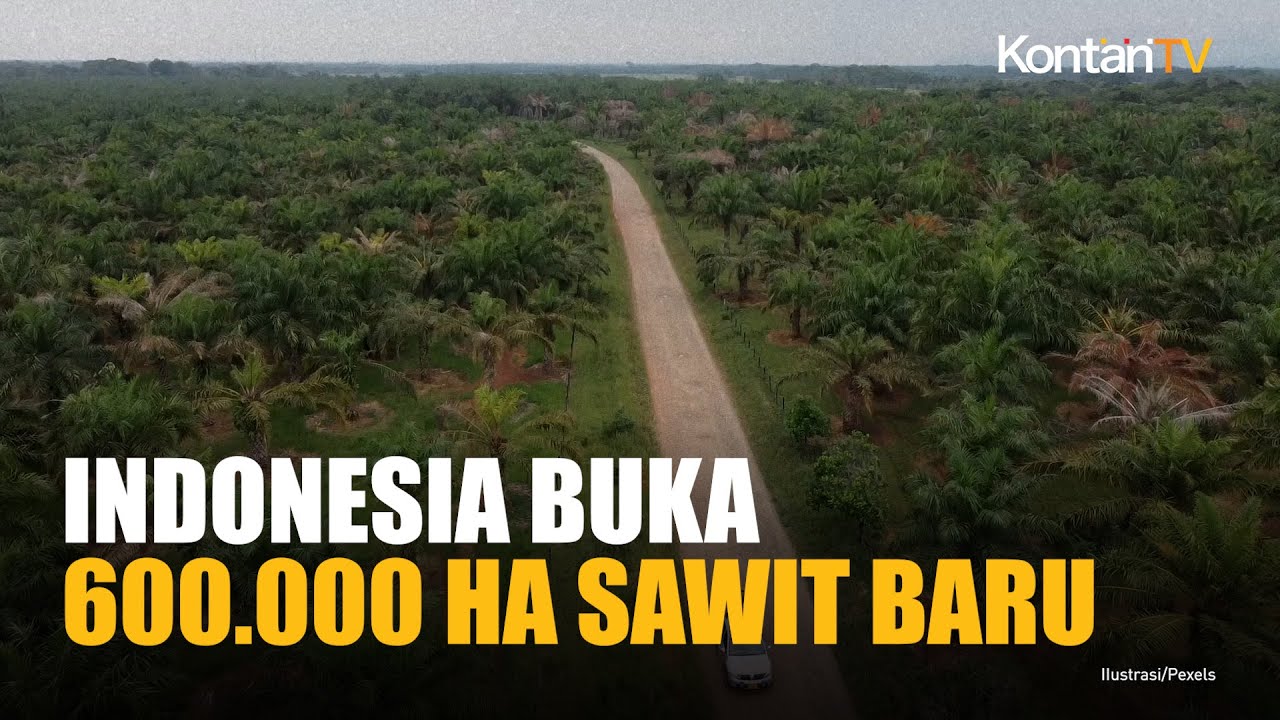
The Indonesian government has announced plans to introduce 600,000 hectares of new land for palm oil plantations, a move that signals a significant shift in agricultural policy following the end of a four-year moratorium on new plantations. According to the Ministry of Agriculture, this initiative aims to bolster palm oil production to meet the increasing food demand and support the country's energy independence goals.
The expansion program is designed to roll out over the next four years, with 400,000 hectares allocated for plasma plantations specifically intended for smallholder farmers. The remaining 200,000 hectares will be designated for Palemko, a state-owned company. This dual approach aims to empower local farmers while also enhancing state-controlled production.
Environmental Concerns and Skepticism
Despite the government's assurances that no forests will be cleared for the new plantations, environmental organizations, including Greenpeace, have raised concerns about the potential risks to forest areas. Critics argue that the availability of non-forest land suitable for palm oil cultivation is limited, and without strict regulations, there remains a significant risk that forest land could be repurposed for agricultural use.
Greenpeace and other environmental advocates have called for transparency in the government's plans, emphasizing the need for sustainable practices in palm oil production. The palm oil industry has been criticized globally for its role in deforestation, loss of biodiversity, and contributions to climate change, making the stakes of this expansion particularly high.
Economic Implications and Future Projections
The expansion of palm oil plantations is expected to yield an additional 2 million tons of palm oil annually, which could significantly impact both local and global markets. Indonesia, as the world's largest producer of palm oil, plays a crucial role in the global supply chain, and this increase in production is likely to influence prices and availability in international markets.
Moreover, Indonesia plans to increase its mandatory biodiesel blend from 40% to 50% by the second half of next year. This policy shift aims to enhance the country's energy independence and reduce reliance on fossil fuels. However, this increase in biodiesel production could also lead to a reduction in palm oil exports, raising questions about how the domestic market will balance these competing demands.
Sources: Indonesia Akan Buka 600.000 Hektare Lahan Sawit Baru; Kontan TV; https://www.youtube.com/watch?v=YVaYuxMQL6U